Every consultation is personalized and focused on individual goals, to make the most of our time together, we ask a few quick questions to ensure you are readyto take the next step
Mommy Makeover Recovery Timeline: What to Expect After Surgery
AUTHOR:
Dr. Scott Blyer
DATE:
2026
TL;DR: A mommy makeover recovery timeline depends on the procedures included, but most patients need the most help during the first one to two weeks. Healing continues well beyond the point when you feel functional, especially after a tummy tuck with muscle repair, breast surgery, or a BBL.
RELATED POSTS
Mommy Makeover Recovery Timeline: What to Expect After Surgery
Labiaplasty Recovery: Healing, Comfort, and Common Questions
BBL Reduction: How to Make a Brazilian Butt Lift Smaller
Expect the first few days to focus on rest, pain control, short walks, and help with everyday tasks.
Many patients return to desk-based work around two weeks, but lifting children and strenuous exercise usually require more time.
Swelling, tightness, scar changes, and temporary numbness can continue improving for several months.
The strictest procedure in your mommy makeover usually determines your activity restrictions and overall recovery pace.
A realistic recovery plan should account for childcare, transportation, garments, follow-up visits, and support at home.
A mommy makeover combines procedures, and every combination is unique. As a result, the mommy makeover recovery timeline depends on what specific procedures DrBfixin includes in your plan.
Most patients need some significant help during the first week following surgery, and we recommend planning to spend roughly two weeks away from desk-based work. You may need more time away if your job requires you to be on your feet. It’ll take a few more weeks beyond that before you’re ready for heavier lifting and strenuous exercise.
A realistic mommy makeover recovery plan also accounts for the realities of motherhood, including childcare and transportation. With that said, you might be surprised by how quickly you feel better, even before deeper tissues finish healing.
Let’s take a look at what specifically contributes to an individual’s recovery timeline, and what to expect after your procedure.
How Long Does It Take to Recover From Mommy Makeover Surgery?
We’ve found it’s helpful to think about your recovery in phases rather than imagining one finish date when you’ll be 100% healed. Many patients can resume light desk work after about two weeks, then slowly rebuild activity over the following month. Visible swelling typically continues improving for several months, and scars mature for much longer.
With that said, surgery looks different for every patient, so recovery does, too. Your specific mommy makeover recovery time tends to depend on the most restrictive procedure.
For example, when a tummy tuck includes muscle repair, the abdomen often controls lifting and core-work restrictions. Likewise, a BBL adds pressure limitations, and breast surgery can affect reaching or pushing.
Your personal timeline should come from DrBfixin because he knows exactly what was done and how you are healing.
Mommy Makeover Recovery Week by Week
Days 1–3: Let Someone Else Run the House
The first 72 hours are for settling in and letting your pain-control plan do its job. Limit movement to only what you were told is safe to do. Expect swelling and tightness, with bruising or fatigue also common.
If abdominal work was included, standing fully upright may feel difficult at first. Breast procedures can make pushing yourself out of bed uncomfortable.
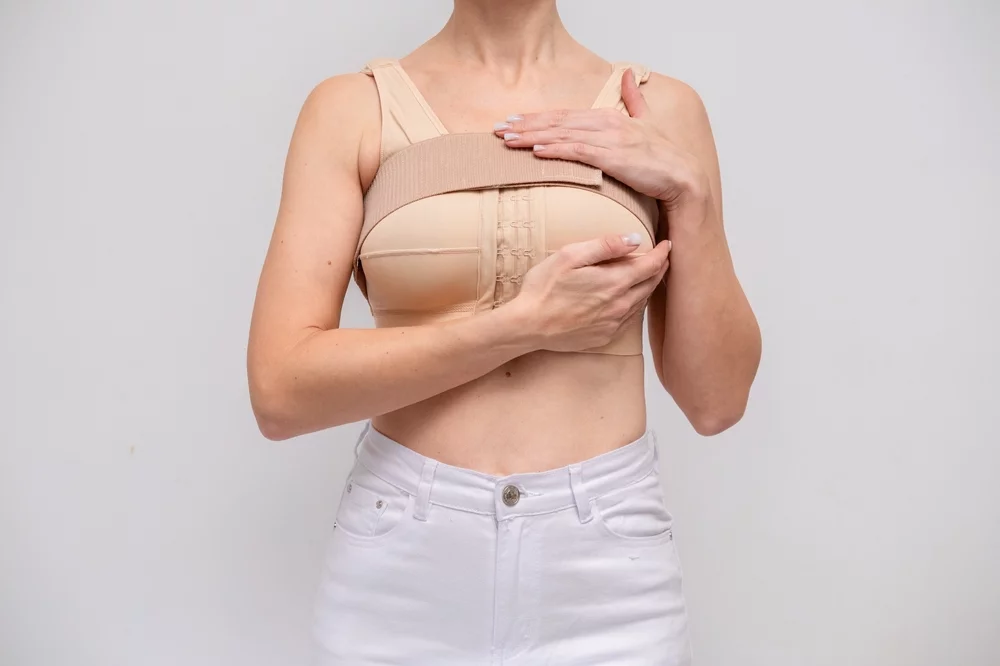
You will need another adult to drive you home and stay with you as directed. Short walks may be part of your instructions, but they are not workouts. You may go home with drains. Compression garments or a surgical bra may also be part of your plan, depending on which procedures you receive and their individual recovery procedures.
Week 1: Protect the Work Done in Surgery
This is often the least glamorous part of recovery, and pretending otherwise won’t help you plan for the reality. You may need help getting out of bed or showering, and someone else can handle meals along with the medication schedule. Parents should arrange for another adult to lift young children, because even a calm, empathetic toddler doesn’t have the developmental understanding of what’s involved in an abdominal repair.
At Cameo, aftercare is not a vague packet that we send home after your procedure. The team prepares you for pain control and garments before surgery, then stays involved with follow-up and scar care. Any procedure-specific massage guidance will be explained as part of your plan. The goal is an honest recovery plan you can actually follow.
Week 2: More Capable, Not Fully Recovered
By the second week, many patients can handle more of their own routine and may feel ready for desk work. You can still tire quickly, especially if your operation combined abdominal and breast procedures. Swelling can make clothing fit strangely, so you might not be able to get into your everyday wardrobe just yet. Furthermore, at this stage, your current state of healing still won’t reflect the final result, so be patient.
We know it can be tempting to use one good morning as proof that lifting children or heavy objects is safe. Always wait for clearance before you take a chance, because the consequences of misjudging the healing process aren’t worth it. Likewise, driving depends on whether you are off sedating medication and can move comfortably enough to react quickly.
As we like to say, “Don’t be a hero.”
Weeks 3–4: Your Routine Starts Coming Back
Walking usually feels easier by this stage, and your energy begins to return. Some patients are cleared for gentle cardio, but core work and heavy lifting often remain off limits.
If your makeover included extensive skin removal, swelling and scar care are going to remain part of the picture after the early discomfort fades. Patients who added fat transfer should also follow the positioning guidance from DrBFixin.
You may look back to normal in clothes, even when you still feel tight underneath. That disconnect is common and very normal, and it won’t last forever.
Weeks 5–6: Activity Returns Gradually
Many patients begin adding more movement after clearance. Feeling good is encouraging, but it is not the same as being fully healed. Ask before lifting a child or returning to strength training. High-impact exercise may need to wait longer.
Months 2–3: Results Become Easier to Read
Daily life often feels more normal, but swelling can still flare after a busy day. Scars may look pink or firm before they soften, and temporary numbness can sometimes persist.
This is a better time to assess shape than the first few weeks, but it is still not the final result. Compare progress month to month rather than morning to evening.
Months 3–12: Contours Refine and Scars Mature
During the later phases of healing, residual swelling fades, and scars mature. Sensation may keep changing, too. Stable weight and consistent follow-up are critical as you approach the end of the recovery period.
Your result can continue refining for up to a year. If something seems asymmetrical or unusually firm, bring it up at a follow-up.
What Determines the Recovery Time for a Mommy Makeover?
Questions about recovery time for mommy makeover surgery usually come down to two practical concerns: when you can handle work again and when you can safely lift your children. Exercise tends to follow later.
The label “mommy makeover” doesn't actually reflect the extent of any individual surgery. A limited breast procedure with liposuction has a different recovery from a full tummy tuck with muscle repair, for example. DrBfixin looks at the strictest component when setting restrictions.
How Can You Prepare for the First Two Weeks?
After talking to patients, we’ve noticed a pattern: those who start planning for the first two weeksbefore their surgery date tend to have the smoothest, least stressful recoveries.
At a minimum, you’ll want to arrange your ride home and have another adult stay with you during the first night. Filling prescriptions in advance and choosing loose clothing (even buying a few new things specifically for post-surgery lounging) can also make the first few days a lot easier. Even your comfiest sweatpants might be too much on a fresh incision, so don’t assume what you have at home will work.
At home, move frequently used items to a comfortable height so you don't have to bend or reach for them repeatedly. Set up your sleeping area according to DrBfixin’s instructions. If your childcare plan depends on you being able to pick up a child, it is not a practical recovery plan, and you’ll want to make other arrangements.
Give yourself room for follow-up appointments and the possibility that your energy returns more slowly than expected. Though it’s tempting, resist outsourcing recovery decisions to social media. Garment use and massage timing should match the procedures you actually had, and let DrBFixin determine the safest activity progression.
When Should You Call Cameo During Recovery?
Recovery is not perfectly linear, but the overall direction should be toward less pain and easier movement. Contact Cameo if you notice:
Pain or swelling that suddenly gets worse
An incision beginning to open
Fever or unusual drainage
One-sided calf pain or swelling
Chest pain or trouble breathing requires urgent medical care.
You do not need to prove that something is wrong before calling. If your recovery feels different from the plan you were given or you intuitively feel like something is wrong, pick up the phone. We promise you aren’t bothering us, and we’re happy to help.
Recovery Planning Is Part of the Operation
Known as DrBfixin, Dr. Scott Blyer is a fellowship-trained cosmetic surgeon with triple board certification who has focused his New York practice exclusively on aesthetic surgery since 2006. His work centers on body procedures, so he understands that a technically sound operation still needs a workable plan for the life waiting at home.
At Cameo, the consultation includes an honest discussion about which procedures belong together and what recovery will demand. More surgery is not automatically a better mommy makeover. If the combination does not fit your health or available support, DrBfixin will say so.
The operation ends in the OR, but the result keeps developing at home. A clear plan for garments and follow-up gives healing the attention it deserves.



.png)


.png)



.png)
 introduction
video
introduction
video Dr. Scott
.png)